


Your Roof Matters More in Coastal Florida
Choosing a roof in coastal Florida isn’t just a design decision — it’s a long-term investment in durability, safety, and peace of mind. With blazing sun, constant humidity, salty air, and hurricane-force winds, roofing here faces extreme challenges compared to most other U.S. regions. So when homeowners ask:
“Metal Roofing vs. Tile Roofing — which lasts longer?”
The answer isn’t just about years — it’s about real Florida life performance. In this guide, we break down durability, weather resilience, maintenance, cost, and more so you can make the best choice for your home.
Understanding Longevity: Metal vs. Tile in Florida
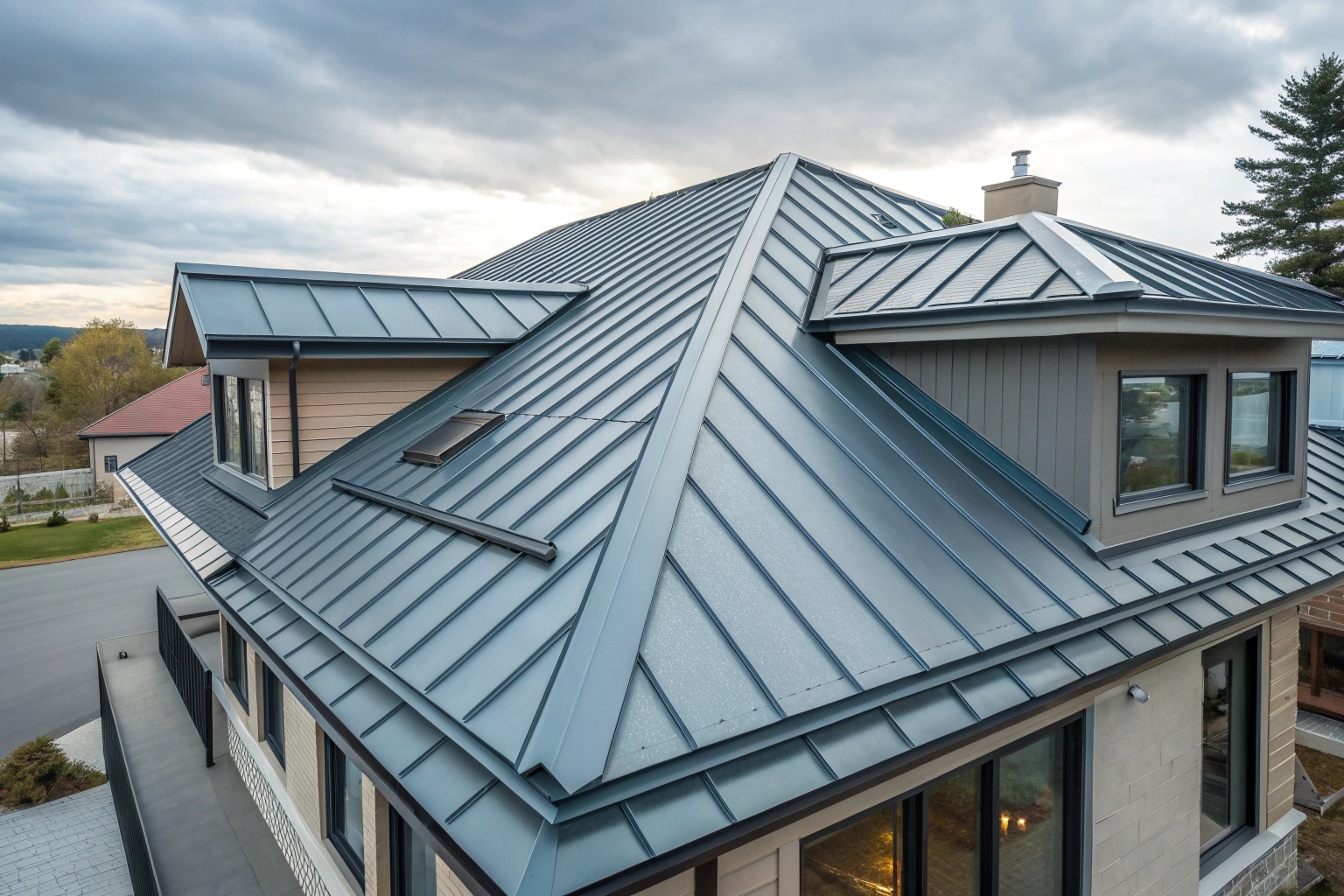
Metal Roofing Lifespan
Metal roofs in Florida typically last:
- 40–70+ years with modern coatings and proper installation.
- Some premium metal options (copper, galvalume) can last toward the high end of the range.
Why it lasts so long:
- Reflective coatings reduce heat damage.
- Modern fasteners and interlocking panels resist uplift.
- Minimal cracking or weather-induced breakdown.
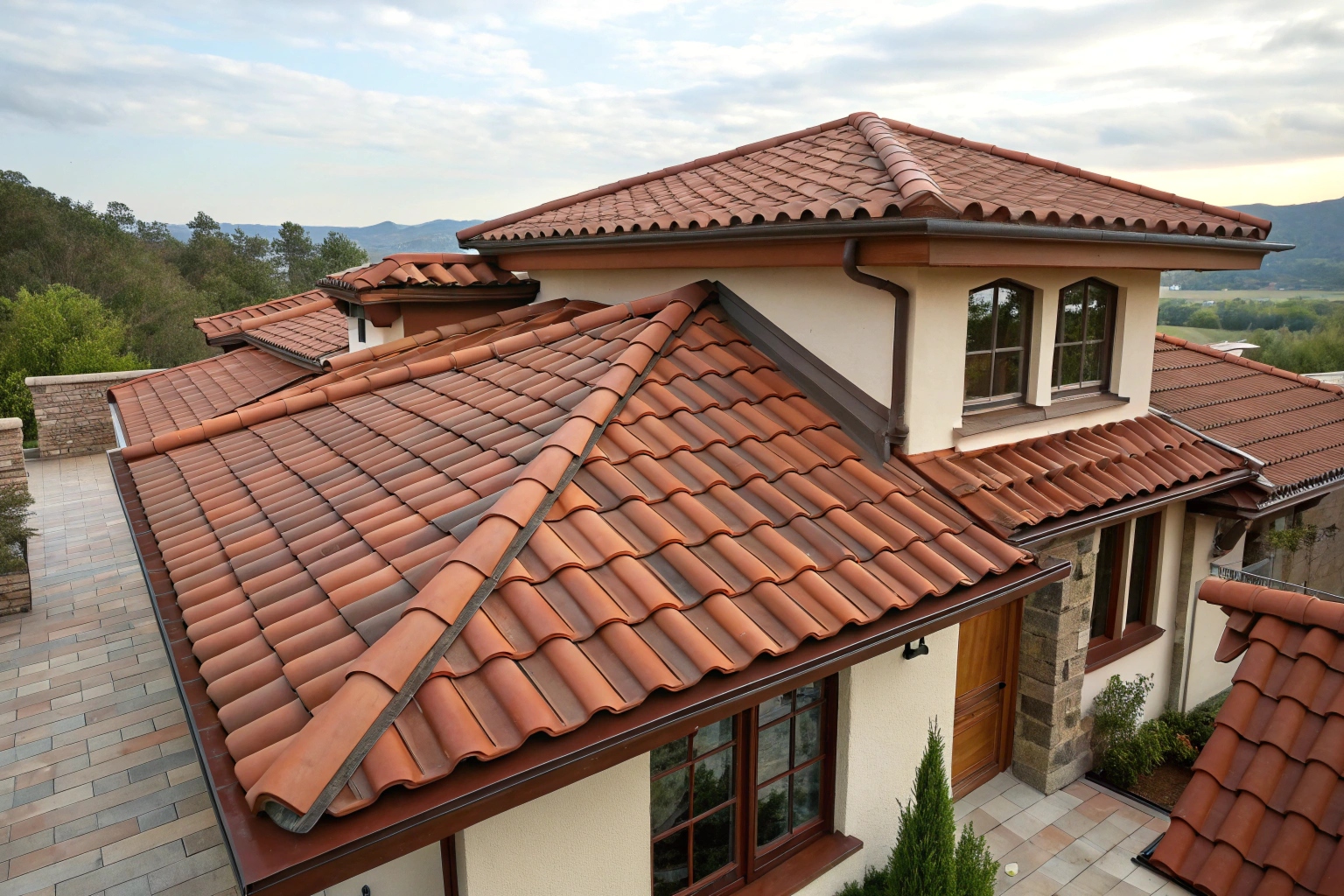
Tile Roofing Lifespan
Tile roofs can be durable too, but with nuances:
- Clay tile roofs can last around 50–100+ years in ideal conditions, while concrete tile roofs typically last 30–50 years in Florida’s climate.
- Metal roofs generally outlast tile roofs in real-world coastal Florida conditions when total roofing system longevity is considered.
Tile roofing performance depends heavily on the underlayment, the hidden protective layer beneath the tiles.
Underlayment usually requires replacement after 20–25 years or less, even if the tiles themselves remain intact.
Coastal Weather Reality: Hurricanes & Harsh Sun
Florida’s coast isn’t gentle. Intense sun, salt spray, high humidity, and hurricanes make roofing choices critical.
Metal Roofing in Storm Conditions
- Engineered panels resist uplift and debris impact.
- Many systems rated for 140–160 mph winds or more.
- Coatings prevent rust and corrosion from salt air.
Tile Roofing in Storm Conditions
- ✔ Individual tiles can withstand heat and impact.
- ❌ However, tiles are brittle — they may crack or dislodge in strong gusts.
- ❌ Each broken tile becomes a potential leak.
Conclusion :Metal roofs typically fare better in hurricanes and strong coastal winds due to flexibility and interlocking strength.
Heat & Energy Performance: Daily Florida Sun
Both roofing types beat traditional shingles, but they behave differently under Florida’s relentless sun.
Tile Roofing
- Natural thermal mass insulates interiors.
- Slower heat transfer — good for temperature regulation.
- Works well with thick attic insulation.
Metal Roofing
- Reflects up to 70% of solar radiation with cool-roof coatings.
- Can reduce cooling costs by 10–25%.
- Less attic heat buildup means less stress on A/C systems.
Result:If cooling efficiency matters, metal roofing often leads, especially with reflective finishes.
Maintenance & Lifecycle Cost
Even roofs that last long can cost more when maintenance is factored in.
Tile Roofing Maintenance
- Per-year maintenance: medium to high.
- Needs:
- Tile cleaning (algae, moss)
- Re-sealing cracks
- Underlayment replacement
- Broken tiles can be costly to fix.
Metal Roofing Maintenance
- Per-year maintenance: low to moderate.
- Needs:
- Periodic inspections
- Occasional repainting or coating
- Fewer replacements needed over decades
- Lower long-term upkeep compared to tile roofing.
Cost Insight: Although tile roofing may have less frequent full-roof replacement costs, metal roofing’s lower maintenance requirements generally lead to greater savings over 30–50+ years.
Structural & Installation Considerations
Weight
- Tile roofs are very heavy (600–1,000 lbs per sq. ft), requiring strong framing or additional structural reinforcement.
- Metal roofs are lightweight (1–3 lbs per sq. ft), making them much easier on existing structures.
Installation
- Tile roofing is labor-intensive, has a longer installation time, and requires experienced, expert installers.
- Metal roofing allows for faster installation with fewer long-term failure points.
Aesthetics & Home Value
Both materials enhance home value — but in different ways:
Tile Roofing
- ✔ Classic Mediterranean / Spanish style that suits Florida coastal homes.
- ✔ High curb appeal, especially in upscale neighborhoods.
Metal Roofing
- ✔ Modern, sleek appearance available in multiple styles.
- ✔ Tile-look metal options are now widely available.
- ✔ Many buyers value performance alongside aesthetics when choosing metal roofing.
Insurance & ROI Considerations
Many Florida insurers offer discounts for metal roofs due to wind resistance and lower claim history. Tile roofs may not qualify for as many credits — especially where brittle tiles risk storm damage.
ROI:
- Metal: Often lower total cost of ownership + possible insurance savings.
- Tile: Higher curb appeal and potentially longer tile lifespan — if well maintained.
Metal vs. Tile Roofing in Coastal Florida
| Feature | Metal Roofing | Tile Roofing |
|---|---|---|
| Typical Lifespan | 40–70+ years | 30–100+ years (varies) |
| Hurricane Resistance | Excellent | Good, but brittle tiles risk damage |
| Salt Air Performance | High with coatings | Moderate (can erode) |
| Maintenance | Low–Moderate | Moderate–High |
| Weight on Structure | Light | Heavy |
| Cooling Efficiency | High | Good |
| ROI over Lifetime | High | Very High (with aesthetics) |
Which Roof Actually Lasts Longer in Coastal Florida?
Answer: While premium tile roofing materials may have the potential to last longer than metal in ideal situations, metal roofing usually delivers a longer practical lifespan in coastal Florida because it:
- Handles salt air and hurricanes with less maintenance.
- Doesn’t rely on fragile individual pieces.
- Requires fewer major replacements over decades.
👉 For most Florida coastal homeowners seeking durability, low upkeep, and long-term performance — metal roofing wins.
FAQs
✔ Metal roofing offers superior real-world durability, energy savings, and storm resilience.
✔ Tile roofing delivers timeless curb appeal and long-term value, but requires more maintenance and structural support.
👉 If your priority is maximum lifespan with low upkeep and strong coastal performance, metal roofing is usually the smarter investment.


