


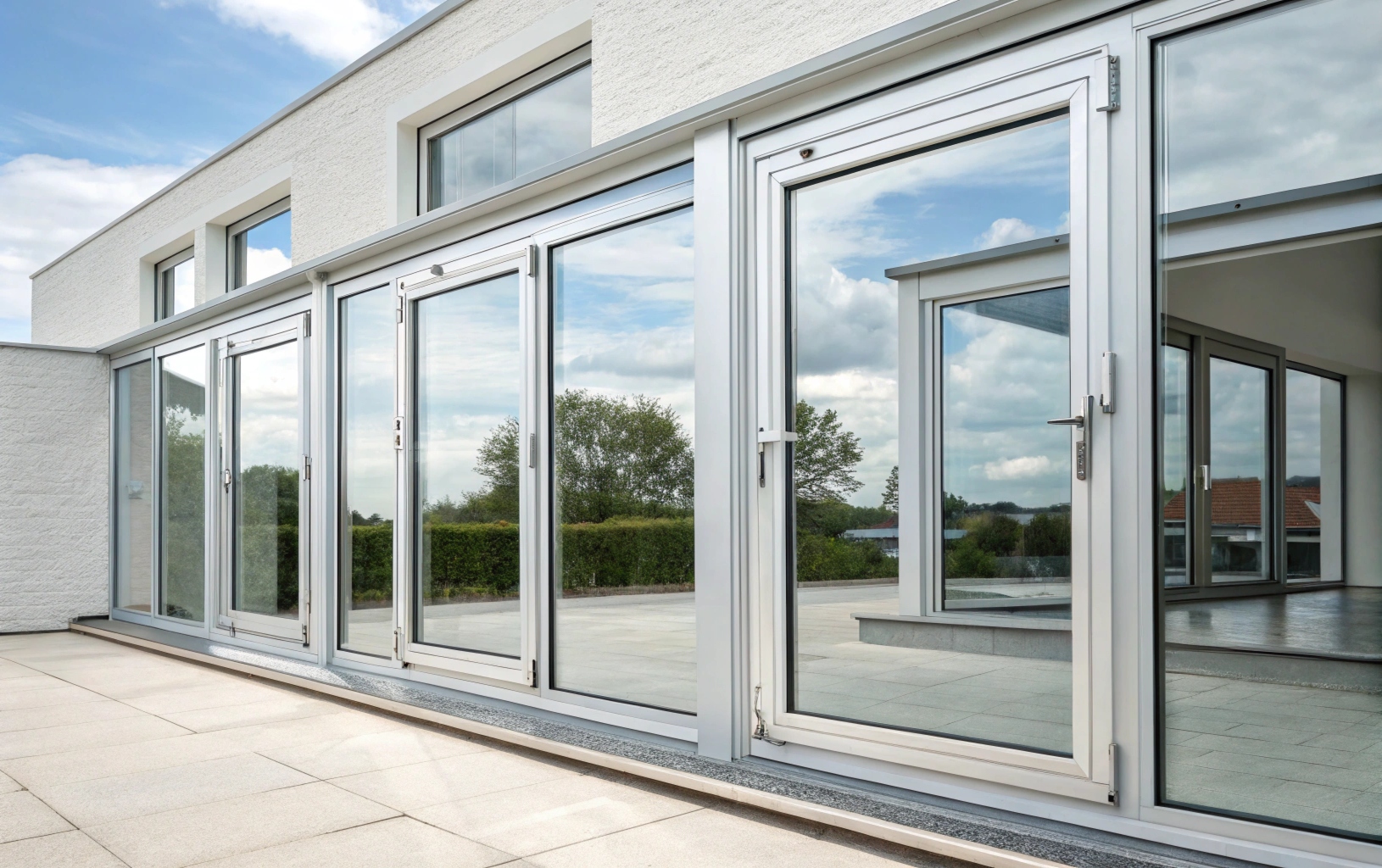
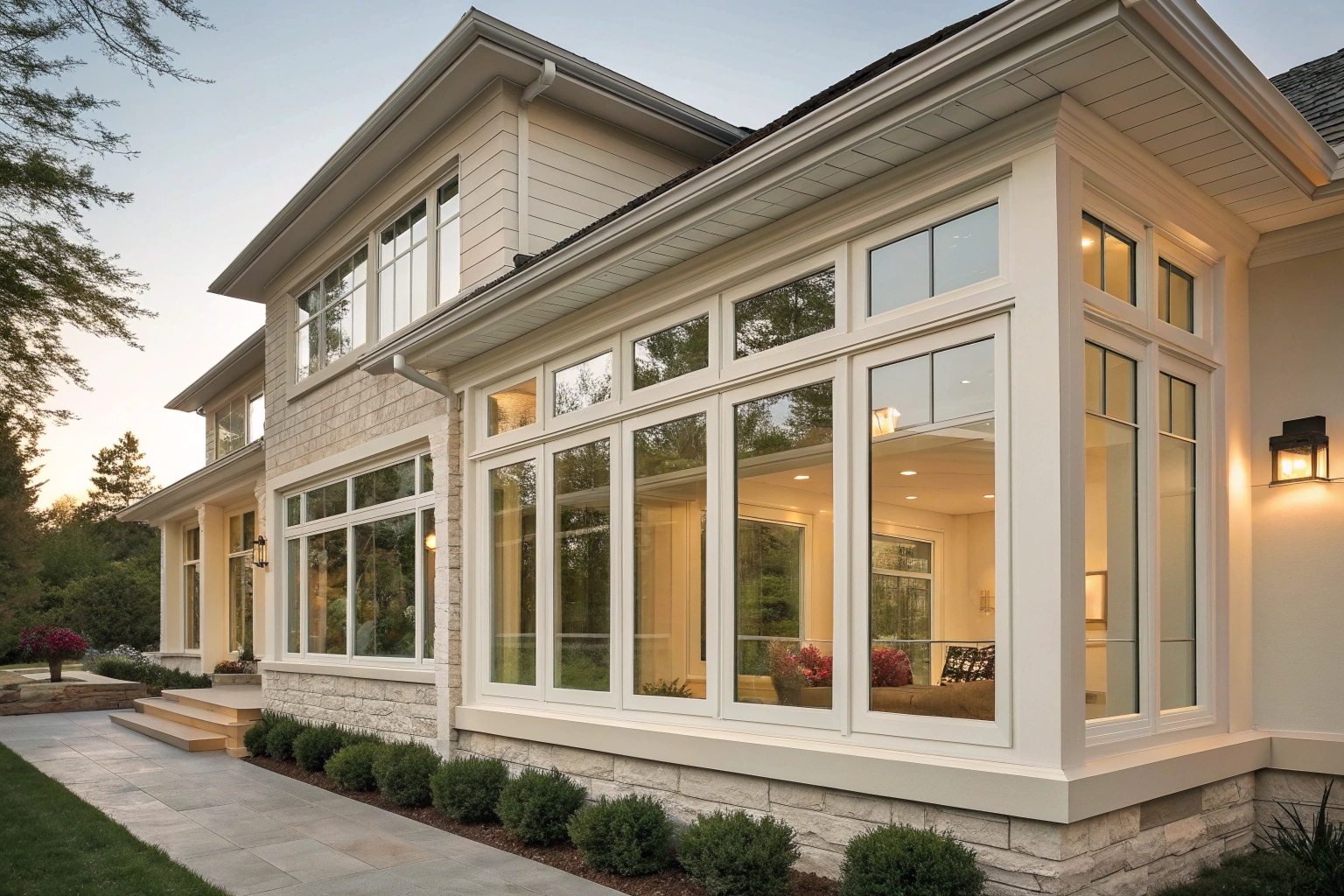
Living near the ocean in Delray Beach is a dream until salt spray, humidity, strong sun and frequent storms start testing your home. Choosing the right window frame material matters for comfort, safety, lifespan and energy bills. Two common choices are vinyl and aluminum. Below I break down their pros and cons for coastal homes, point out important local-code and maintenance issues, and recommend when each material makes sense.For most Delray Beach homeowners looking for low maintenance and strong thermal performance, modern vinyl (especially impact-rated vinyl) is often the best balance. For very large openings, slim sightlines, or when pairing with heavy impact glazing, aluminum (properly coated/anodized) can be the right choice but it needs careful specification and maintenance.
What competitors usually say and where they fall short
Most online comparisons list the usual pros and cons (vinyl = energy efficient and low maintenance; aluminum = strong and slim). That’s helpful but common articles often miss three things Delray Beach homeowners need most:
- Local building-code nuance and permit issues for coastal Florida properties.
- Practical corrosion and fastener guidance for windows within salt-spray range.
- Clear buying checklists that pair frame material with impact-rated glass, installation quality, and warranty details.
I filled those gaps below with concrete, local-facing advice and a buying checklist you can use on-site.
Side-by-side: Key differences that matter on the coast
Corrosion & salt air
- Vinyl:Non-metallic, so it does not rust. That makes vinyl attractive for salt-air exposure frames won’t corrode and they need very little special treatment.
- Aluminum:Metal that can corrode in salty environments unless it has a good anodized or powder-coat finish and stainless fasteners. Proper coatings and periodic checks are essential for coastal installations.
Strength, wind and hurricane resistance
- Aluminum:Naturally strong and rigid. It’s excellent for wide openings and pairing with heavy impact glazing. For high-wind areas, aluminum frames often provide slimmer sightlines and can take higher structural loads.
- Vinyl:Modern impact-rated vinyl is engineered to meet code for many coastal zones but may require thicker profiles for very large spans. Vinyl excels when thermal performance and energy savings are priorities.
Energy efficiency & comfort
- Vinylframes have lower thermal conductivity than aluminum, so they typically deliver better insulation and lower cooling loads — a big win in Florida’s heat. Good vinyl windows combined with low-E glasses lower energy bills and reduce interior fading.
- Aluminum without a thermal break conducts heat. New aluminum systems often include thermal breaks to improve performance, but even then vinyl still usually has the edge for raw insulation value.
Practical tip:If energy bills are a priority, favor vinyl frames + certified low-E/argon glazing or choose aluminum systems that explicitly include thermal breaks and high-performance glass.
Durability & Maintenance
- Vinyl: Requires very low maintenance — routine cleaning is usually enough to keep it looking good. Avoid using abrasive cleaners or harsh chemical solvents. High-quality vinyl resists fading, warping, and discoloration for many years.
- Aluminum: Needs periodic inspection of its exterior coatings and hardware. If the powder coating gets chipped, the exposed metal can corrode over time. In coastal or salty environments, always use stainless steel screws and proper flashing. Regular washing and timely touch-ups help extend the lifespan of aluminum frames.
Practical tip: For minimal upkeep, vinyl is the easier choice. If selecting aluminum—especially in coastal regions—choose powder-coated systems with corrosion-resistant hardware and follow a consistent maintenance routine.
Cost & Lifespan
- Upfront: Vinyl windows typically cost less than aluminum for most standard-sized openings, making them a more budget-friendly choice at installation.
- Long term: Aluminum can deliver decades of performance when properly coated and maintained. High-quality vinyl also offers long service life with very minimal upkeep. In coastal Florida, the biggest cost factor is often the impact-rated glass and certified installation—not just the frame material.
Buying note: For Delray Beach homes, plan for certified impact glazing (when required or recommended) and corrosion-resistant fasteners even if you select vinyl. These upgrades influence insurance rates, durability, and long-term resale value.
Florida code and permits what Delray Beach homeowners must know
Florida’s building rules require impact-resistant products in many coastal zones; local county rules can add permit requirements for window replacement. Even if your address isn’t in the strictest “High-Velocity Hurricane Zone,” many homeowners choose impact-rated windows for safety and insurance benefits. Always check local permit needs before purchasing.
Practical buying checklist for Delray Beach
When you shop, bring (or ask for) the following:
- Product certification labels such as FBC/ASTM ratings or Miami-Dade NOA where applicable.
- Glass specifications including laminated glass, low-E coatings, argon fill, and SHGC (solar heat gain coefficient).
- Frame finish details like anodized or powder-coated finishes with warranty for aluminum, and UV-stable formulas for vinyl.
- Corrosion-related details: stainless fasteners, approved flashing systems, and coastal installation requirements.
- Installation warranty information and clarification on who handles permitting and inspections.
- Local references and pictures of completed coastal installations.
Recommendation: Which to pick for Delray Beach?
- Most homeowners: Choose impact-rated vinyl for its low maintenance, strong thermal performance, and corrosion resistance — especially for standard window sizes.
- Large openings / floor-to-ceiling glass: Choose aluminum (anodized or high-quality powder coat with a thermal break) paired with certified impact glazing. Aluminum provides greater structural strength and thinner frames, maximizing views while meeting wind-load requirements.
- When in doubt: Prioritize impact rating, certified product labels, and professional installation over frame material alone. A properly installed system of either material will always outperform a poorly selected or poorly installed one.


